
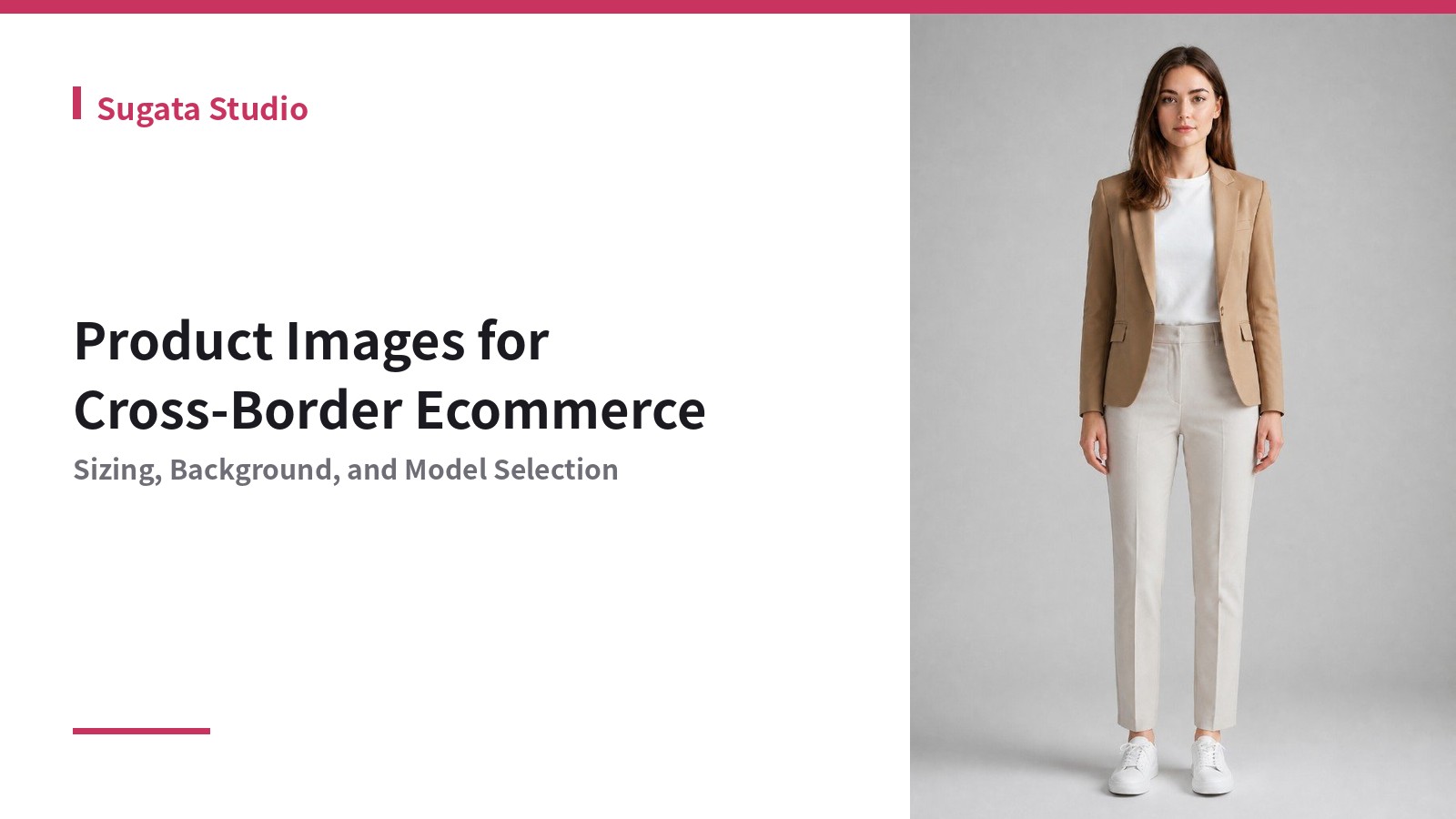
Product Images for Cross-Border Ecommerce | Sizing, Background, and Model Selection
More apparel sellers are expanding into international sales through platforms like Shopee, eBay, Etsy, or a cross-border-enabled Shopify store. But simply reusing the product images made for your domestic market often doesn't translate well to overseas buyers — culture, body types, and sizing conventions differ.
This article walks through what to consider when preparing product images for cross-border ecommerce.
Sizing in "cm" Alone Doesn't Communicate
Sizing conventions that feel obvious domestically — Japanese size numbers, cm measurements — aren't familiar to overseas buyers.
- List units side by side: cm alongside inches, and Japanese sizing (S/M/L) alongside approximate US/EU equivalents
- Turn your size chart into an image: beyond a text-based measurement table, a single diagram-style image communicates dimensions intuitively without requiring translation
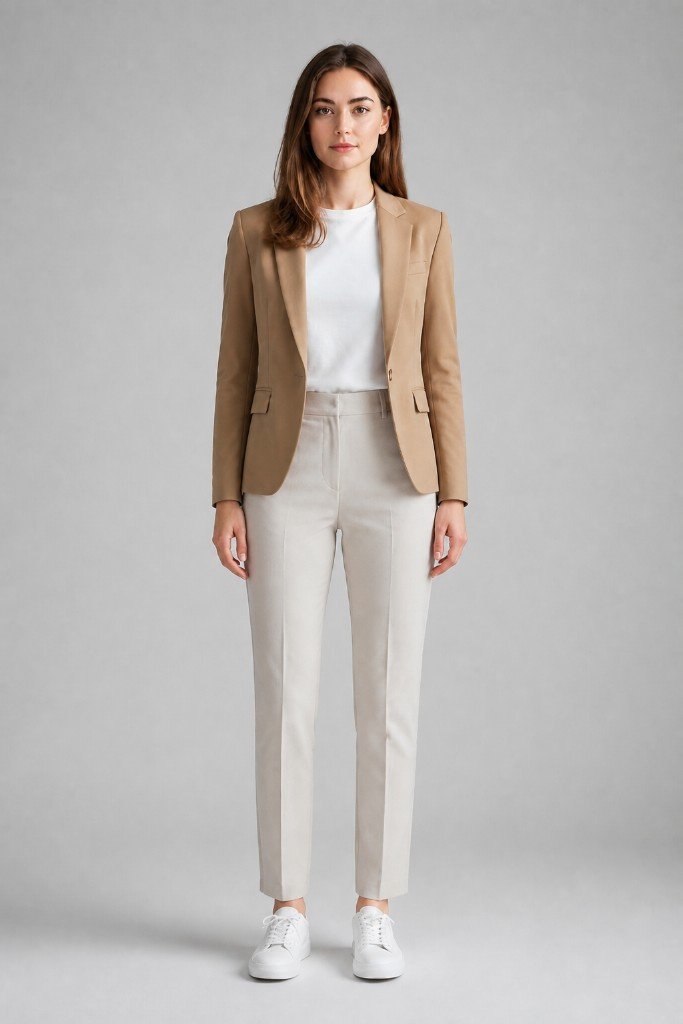
- State the model's height and size worn: information like "model is 168cm, wearing size M" is among the most-referenced details for overseas buyers
Since sizing misunderstandings are a leading cause of returns and complaints, reinforce sizing information through both images and text.
Match Background and Tone to the Target Market
Background color and overall photo tone unconsciously signal whether a listing is "made for this market."
- Platforms with a Western audience tend to favor a slightly brighter, more natural tone
- A white-background main image remains a safe, broadly compatible choice across most platforms (always confirm each marketplace's specific rules)
- If using a lifestyle background (outdoors, a café, etc.), choose a composition that doesn't clash sharply with the target market's everyday culture
Recreating every image for every market isn't realistic, so a practical approach is to standardize the main image on a white background and vary tone only in the supporting images per market.
Model Selection Reflects Who Your Store Is For
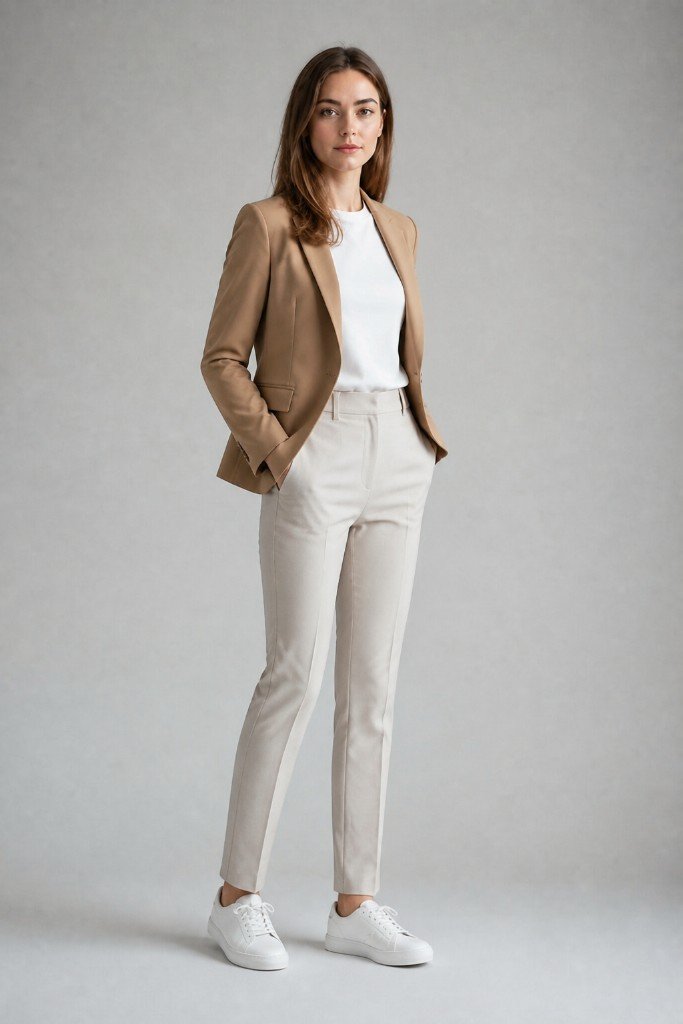
Overseas buyers also judge "would this suit me?" based on the model's appearance. As covered in diverse body-type model photos, relying on a single body type or ethnicity for your models can narrow your appeal to a smaller slice of buyers than you'd expect.
- Prepare one or two model variations closer to your target market's core buyer demographic
- You can even swap which model appears in the worn images depending on which market a listing targets
- Since adding model variety through traditional photoshoots quickly raises costs, AI-generated models let you test multiple variations from the same product photo at low cost
Prevent Misunderstandings Through the Images Themselves
With a language barrier in cross-border ecommerce, increasing how much information the images alone can convey is the fastest way to reduce complaints caused by misunderstanding.
- Visualize fabric weight and stretch using icons or diagrams
- Where possible, include care and washing instructions as pictograms within the image itself
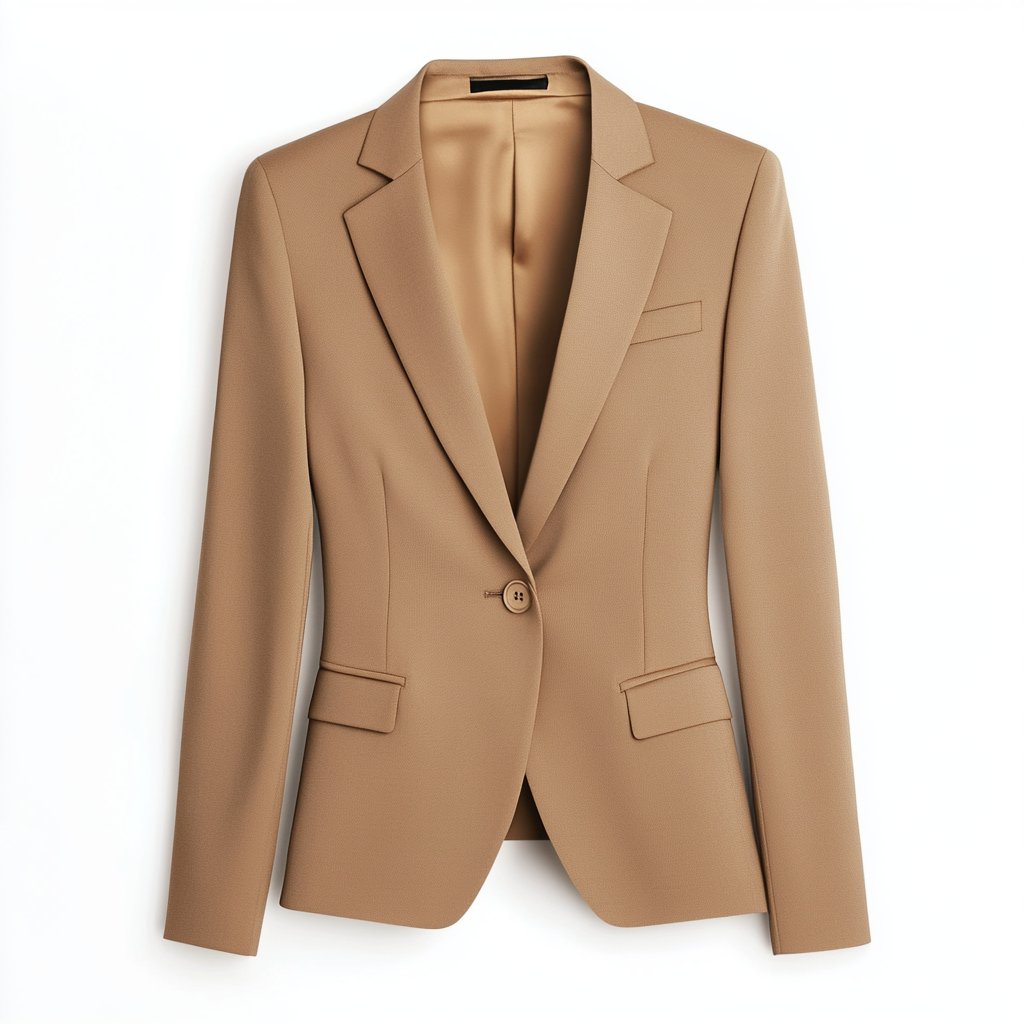
- A plain white-background product shot remains the least ambiguous format — it conveys exact color and shape without relying on translation
Summary
Cross-border product images aren't a matter of reusing your domestic set — adjusting just three things, sizing display, background tone, and model selection, to fit the target market changes how well your listings land. Reshooting for every market isn't realistic, so standardizing the main image while varying supporting images and selling points per market is the practical middle ground.
Sugata Studio can generate multiple model and angle variations from a single product photo at low cost. If you're considering expanding your image lineup for international sales, start by testing it on one product.