Image Operations for Small-Batch, High-Variety Apparel Shops|A System for When Shooting Can't Keep Up
Shops that grow through curated buying or small-lot production share one pain: new arrivals come in faster than they can be photographed.
The usual result is a vicious cycle — list with a single flat-lay for now, the weak image doesn't sell, and there's never time to reshoot. This article lays out how small-batch shops can run photography as a system, in three steps: prioritization, standardization, and AI.
Why small-batch shops suffer most
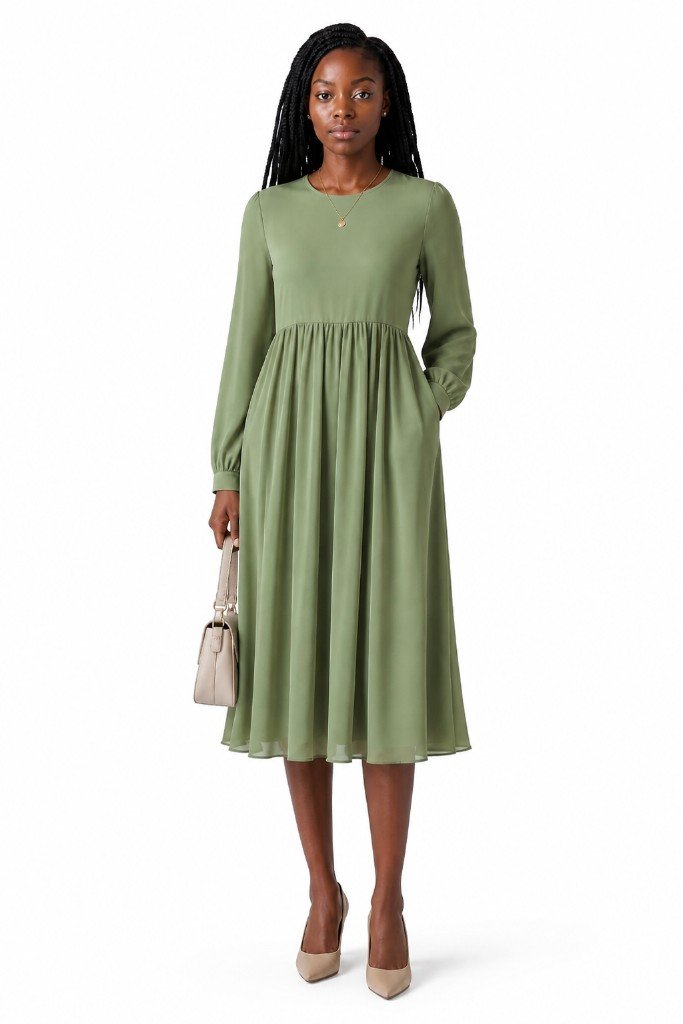
Most photography cost is fixed per shoot day — model, photographer, studio. A large brand shooting 50 styles a day and a small shop shooting 10 pay the same day rate, so the small shop's cost per style is five times higher.
Small-batch buying also arrives in trickles. When a few styles land every week, it's hard to schedule shoots; if you wait to batch them, listings slip. The cost structure of photography is fundamentally mismatched with small-batch retail.
Stop treating every SKU equally: three tiers
The first fix is to stop giving every product the same number of images. Sales concentrate in a fraction of your catalog — image investment should follow the same curve.
- Tier S (best sellers, key new arrivals) — full set: multi-angle worn shots + detail + flat-lay
- Tier A (steady core items) — worn front + detail + flat-lay
- Tier B (trial buys, small lots) — list first with one flat-lay or white-background shot
The key move: list Tier B items first, then promote only the ones that show traction. Don't invest ahead of demand — let proven sales pull the investment.
Batch your shoot days and freeze the conditions
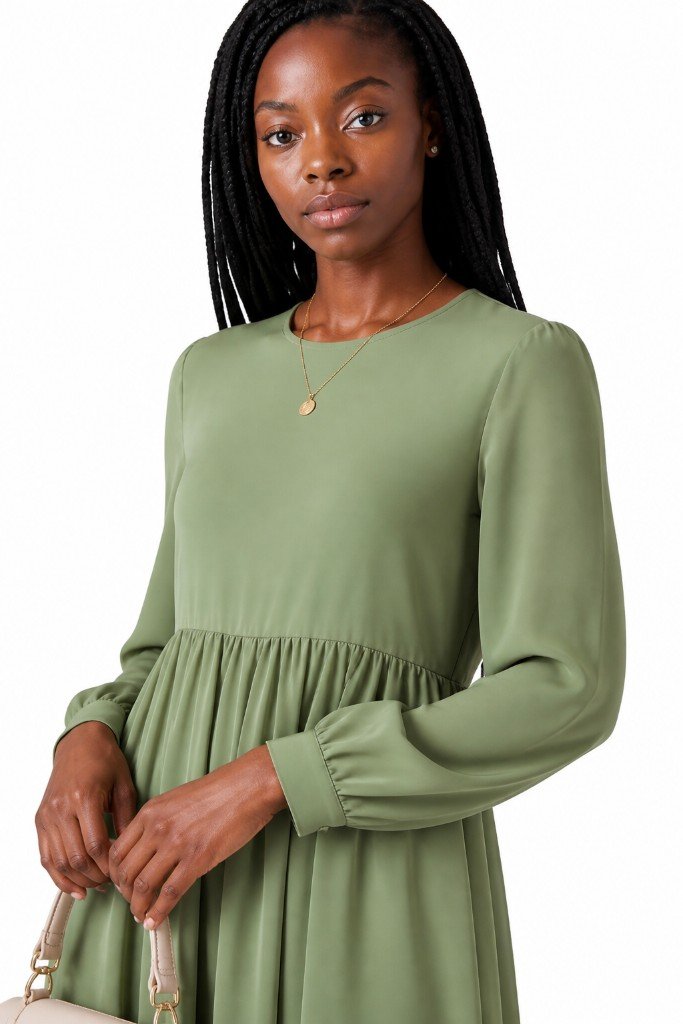
For Tier S and promoted items, consolidate photography into one shoot day per month, and fix these every time:
- Background, lighting, standing position (mark the floor)
- Model (same person each time; if not possible, similar build)
- Angle sequence as a checklist (front → 45 degrees → side → back → close-up)
Fixed conditions don't just speed up each style — items shot months apart still look consistent side by side. Re-deciding "what and how to shoot" every session is the biggest time sink in small-batch operations.
Use AI generation to lift Tier B
The weakness of the tier system is that Tier B sits there with weak images. This is where AI image generation fits: from a single flat-lay or white-background photo, you can produce on-model images without a shoot.
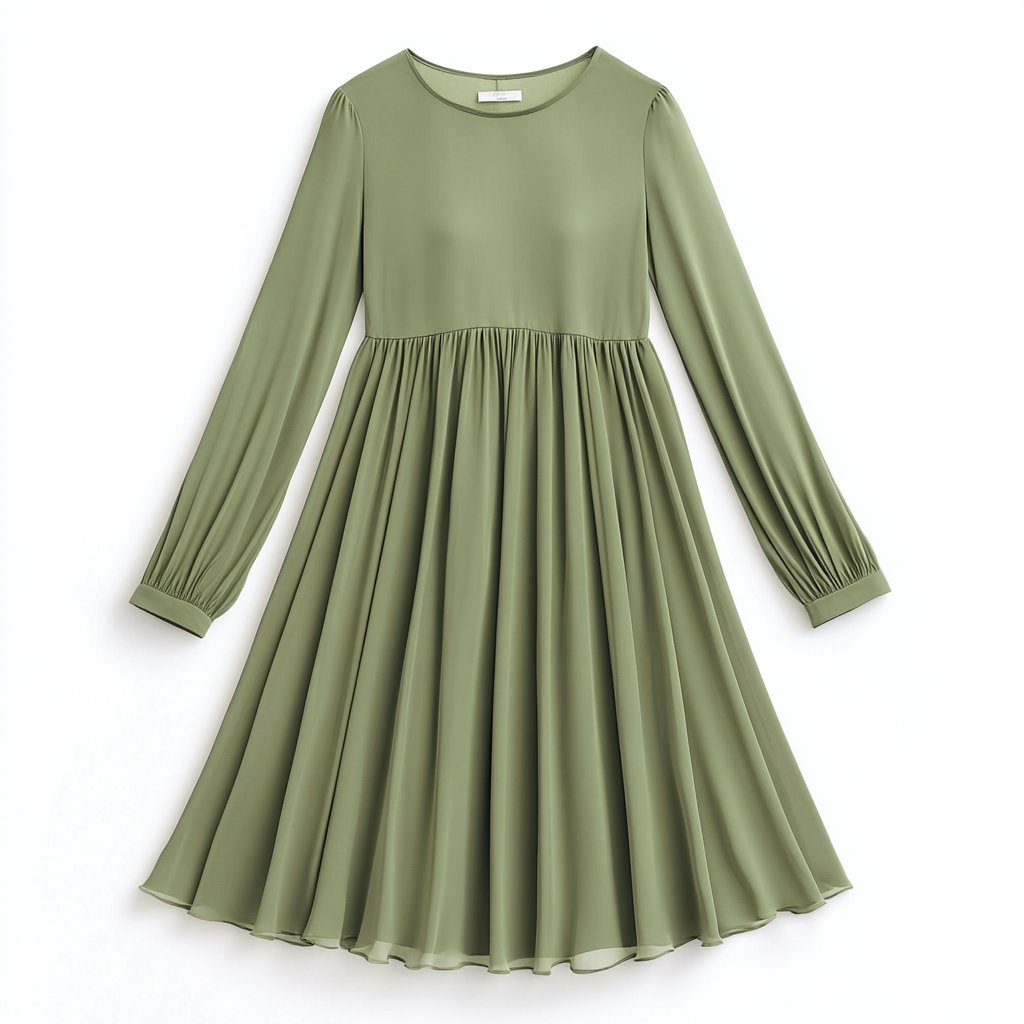
In other words, you keep Tier B's "list with one photo first" speed while presenting at Tier A quality. Items go live with a worn image without waiting for a shoot day, shortening lead time from arrival to listing. When something starts moving, promote it to a full photographed set on the next shoot day.
Summary
Small-batch image operations are a systems problem, not an effort problem. Rank your SKUs instead of treating them equally, batch shoots under fixed conditions, and use AI generation to lift the long tail. Those three steps break the cycle of photography never keeping up.
Sugata Studio generates on-model images from a single product photo in minutes. The more styles you carry, the more the per-style image cost difference compounds. Start with one item currently waiting in your listing queue.